Preserving usable material
Sound boards, natural variation, and age-related character can remain part of the floor when condition and project goals support preservation.
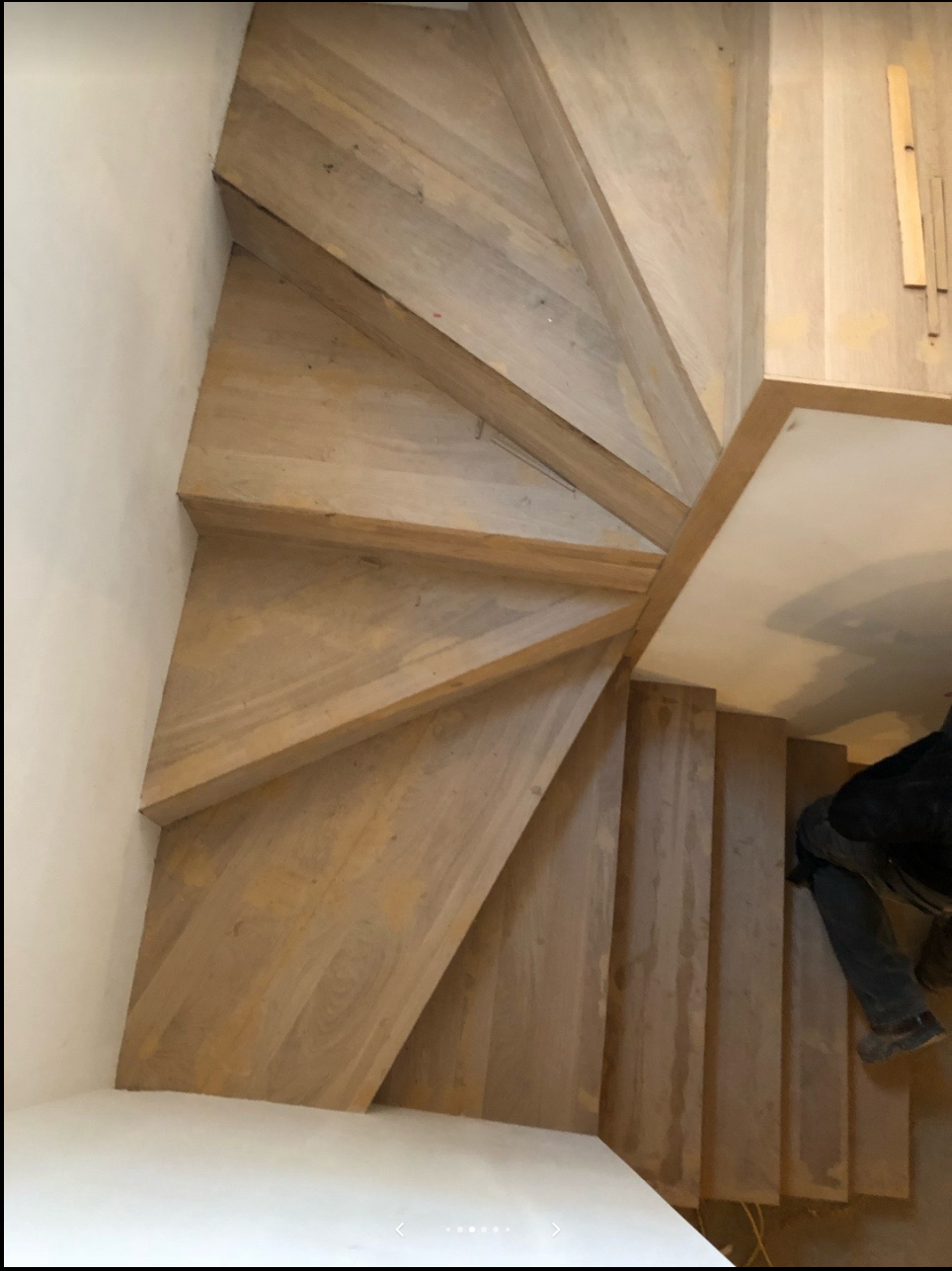
Preserve What Still Belongs
Restoration begins by understanding what can be preserved, what needs repair, and how renewed areas can retain the character of an older wood floor.
Request a Free EstimateService Overview
Older floors may combine sound boards, localized damage, previous patches, worn finish, gaps, and decades of color change.
MGM evaluates those conditions before defining repair, selective replacement, sanding, staining, and refinishing work. The goal is a coherent floor that respects usable material and realistic limits.
The MGM Approach
Restoration decisions develop from the floor’s condition and the amount of original material that can reasonably remain.
Review wear, damage, patches, transitions, previous coatings, and visible character.
Identify material to preserve, areas to repair, and expectations for variation.
Integrate suitable replacement material and address localized details where practical.
Prepare appropriate surfaces and develop the selected natural or stained direction.
Apply the planned finish and review repaired areas, edges, and transitions together.
Service Considerations
Restoration is not the same as making old wood look newly manufactured.
Sound boards, natural variation, and age-related character can remain part of the floor when condition and project goals support preservation.
Replacement boards may differ in age, grain, or tone. Careful layout and finishing can help them belong without promising invisibility.
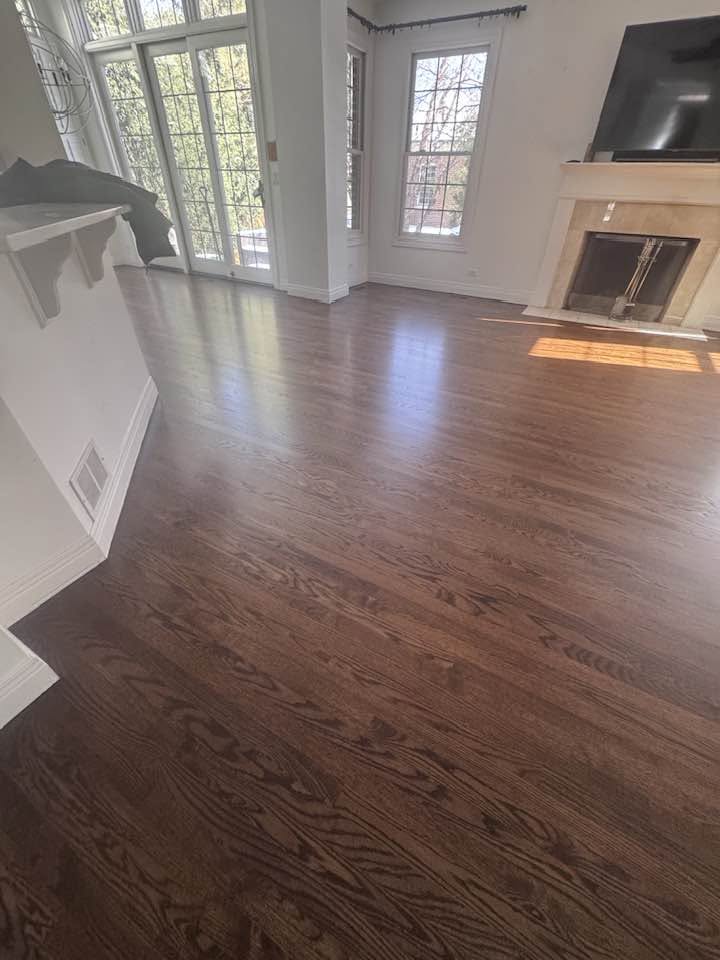
Project Details
The strongest restoration plan distinguishes meaningful character from conditions that threaten the floor’s performance.
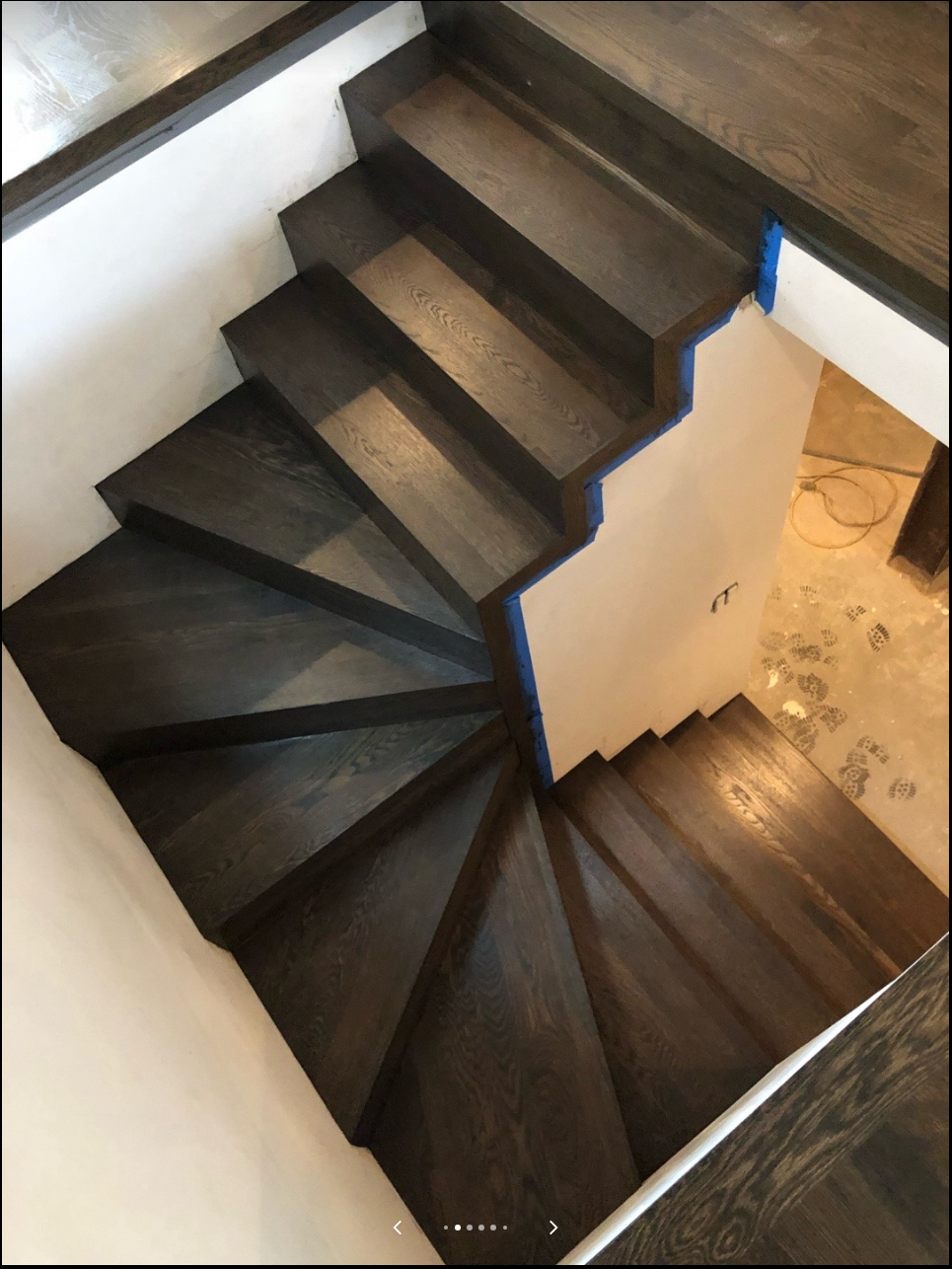
MGM Project Photography
MGM imagery showing existing wood in progress and completed surfaces with visible grain and character.
Local Service
MGM Floors evaluates hardwood restoration projects in Chicago and nearby suburbs. Older buildings and previous renovations can present hidden conditions, so recommendations remain subject to an on-site assessment.
Contact MGM Floors to discuss the property and current project conditions.
Frequently Asked Questions
Refinishing focuses on renewing the surface. Restoration may also involve evaluating original material, repairing or replacing damaged boards, integrating patches, and preserving existing character.
No. Construction, remaining thickness, structural condition, damage, coatings, and prior work can limit what is practical.
Not always. Differences in age, species, grain, and color response may remain even after thoughtful blending.
Not necessarily. Seasonal movement, gap size, floor construction, and the desired character should be considered before filling.
Yes, when those marks are compatible with the floor’s condition and the owner’s goals. The intended balance should be discussed before work begins.
Start the Conversation
Invite MGM Floors to review the wood, damaged areas, previous work, and the character you want to retain.